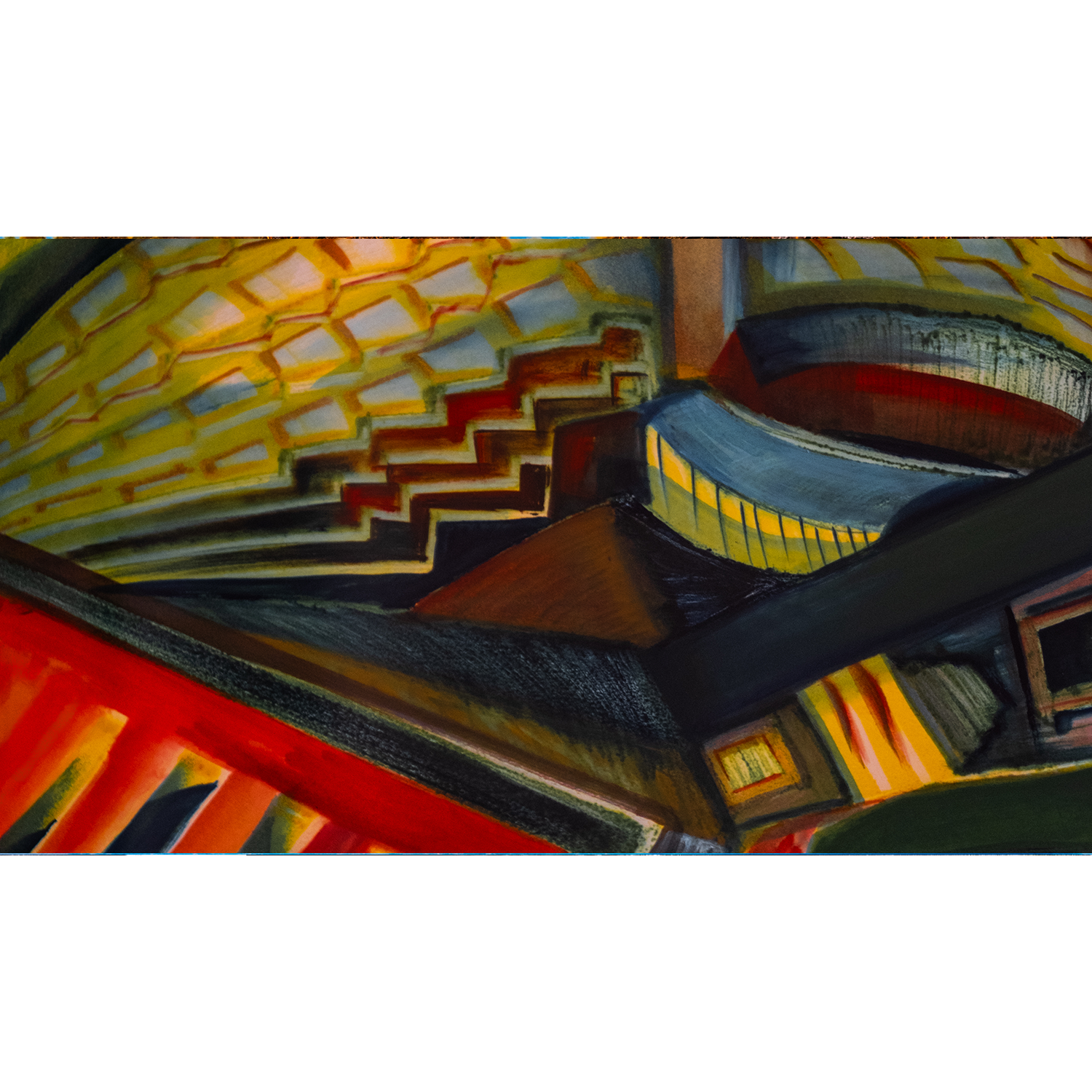
Being tethered to history
Mills, Sheds & Chimneys
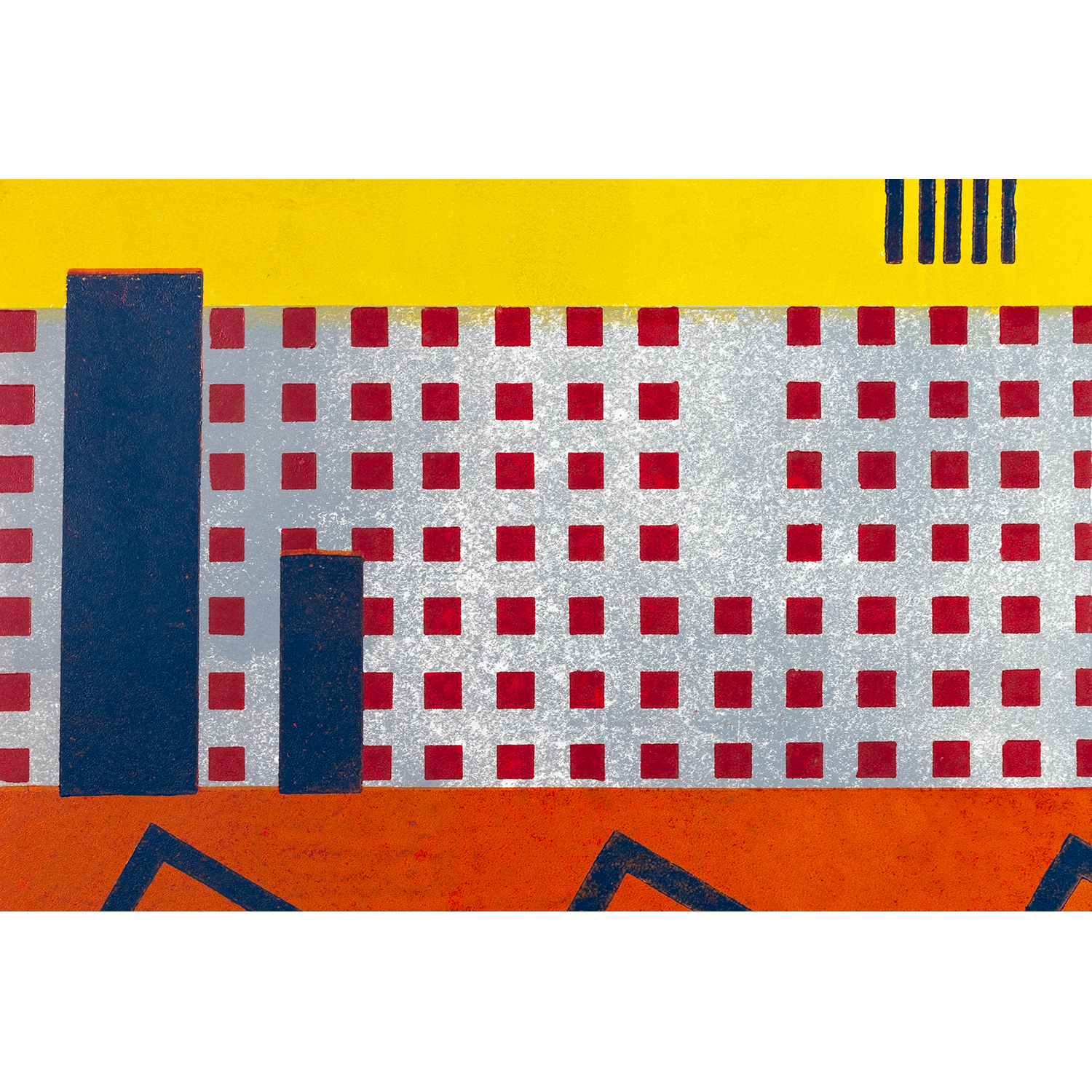
Mills, weaving sheds, and chimneys characterise the urban landscapes of northern England. This is where the Industrial Revolution started. While many of the chimneys have been removed, many remain. These buildings stand as a testament, or a palimpsest, connecting us to those who lived in our Victorian and Edwardian houses before us.
A palimpsest is a parchment, tablet, or manuscript page that has been written on, erased, and reused, yet still retains faint, traceable remnants of the original text. Used metaphorically, the idea of palimpsest helps to explain ideas about place and psychogeography, describing any object, place, or concept with multiple, visible layers of history, such as a city with old architecture beneath new developments, or a person’s complex memory.
Alongside the mills and other engines of prosperity are the Victorian reservoirs, canals, railways and roads. Feats of engineering and human labour, constructed using stones excavated and shaped by stone masons in an age before the oil-powered vehicles and machinery we have come to depend upon for the last 100 years or so. They remind us of how strong and adaptable people are in an age when we are more removed from the effort of making and maintaining the built environment.
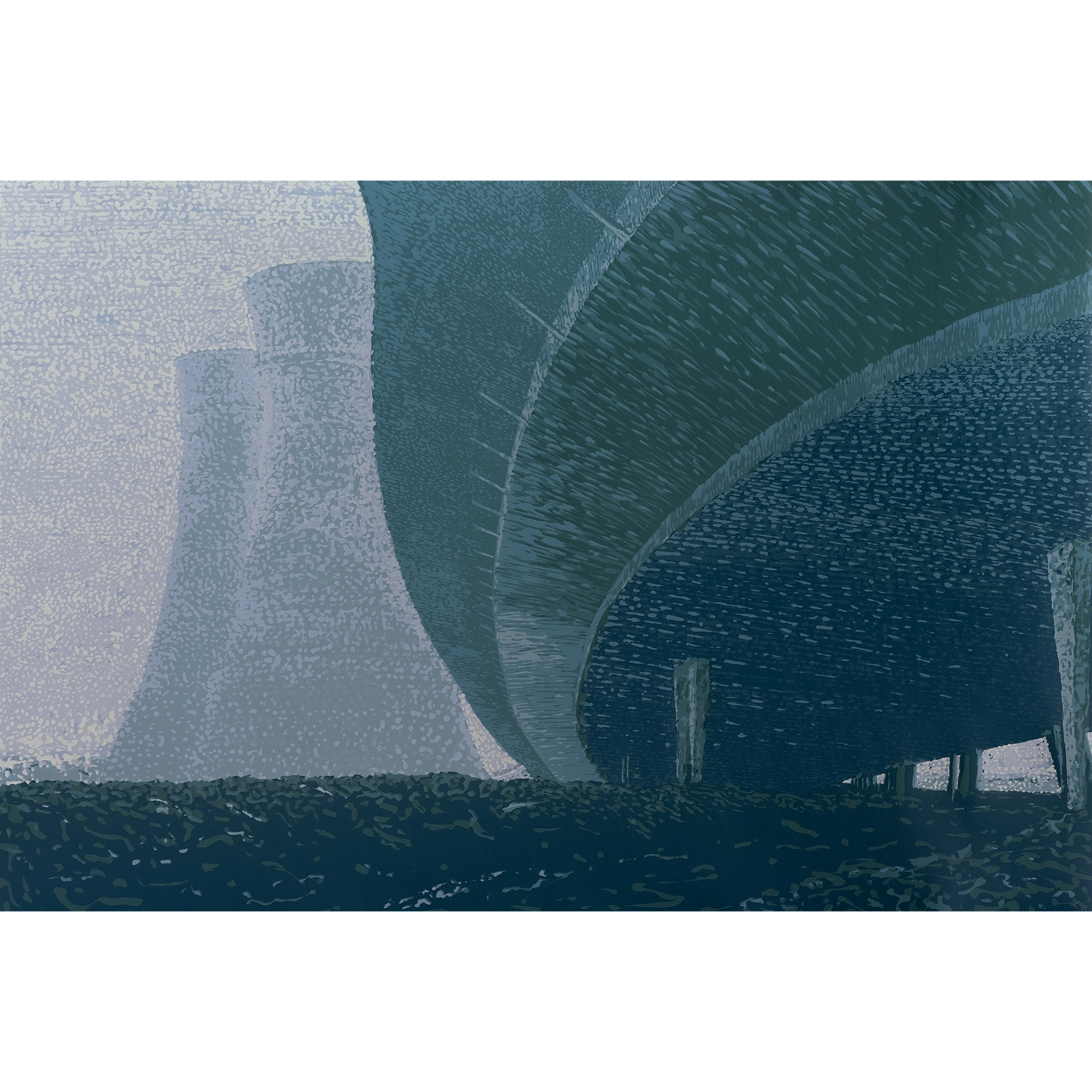
In the late 1960s, urban centres were joined up by new motorways. We learnt to drive fast and drive past. We lost contact with the urban scapes that had staged the daily lives of previous generations.
The motorways were one sign of modernisation. Another was the casting off of the mills and the mines that had established our prosperity. While some have enjoyed the wealth generated in the North, northern communities have never been adequately thanked or recompensed. Like the mills, chimneys, weaving sheds, and railway sidings, the North does the best it can to manage despite ongoing neglect.
It would be wrong to think of these towns as simply ghost towns, as that would imply they are dead and have no potential, and would disregard contemporary life and the traces it is making. But these places are haunted and exude a tenacity. Some mills have been demolished, some have been successfully repurposed, yet many linger on, their 19th-century designs being an incongruous ill-fit for 21st-century needs.
See also:
Lyons, S. (2017). The city as palimpsest: a primer on ‘psychogeography. Foreground, https://www.foreground.com.au/culture/the-city-as-palimpsest-a-primer-on-psychogeography/
Middleton, A. (2017). Ghost walks, palimpsest, psychogeography. Tactile Learning: https://tactilelearning.wordpress.com/2017/07/11/ghost-walks-palimpsest-psychogeography/
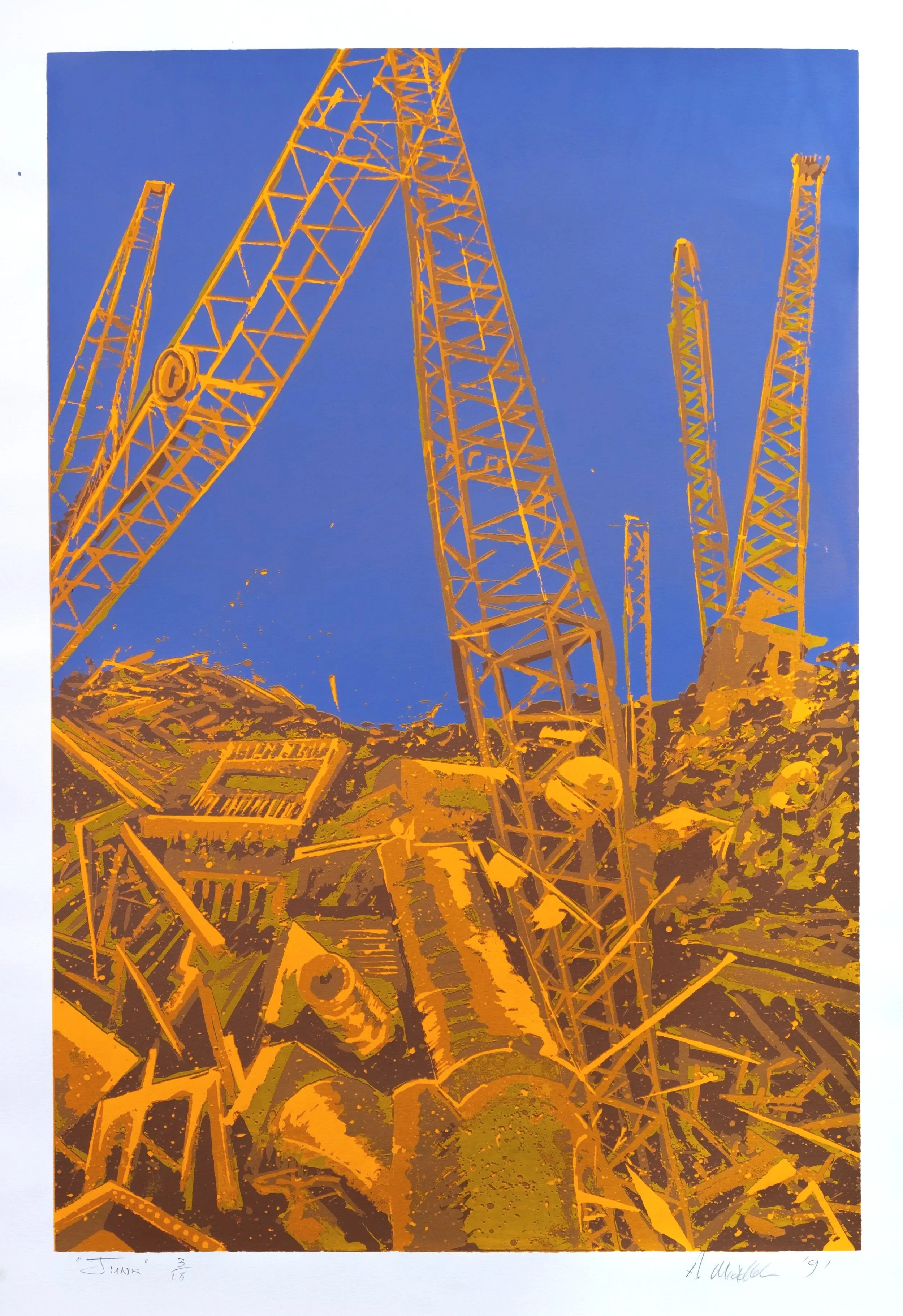
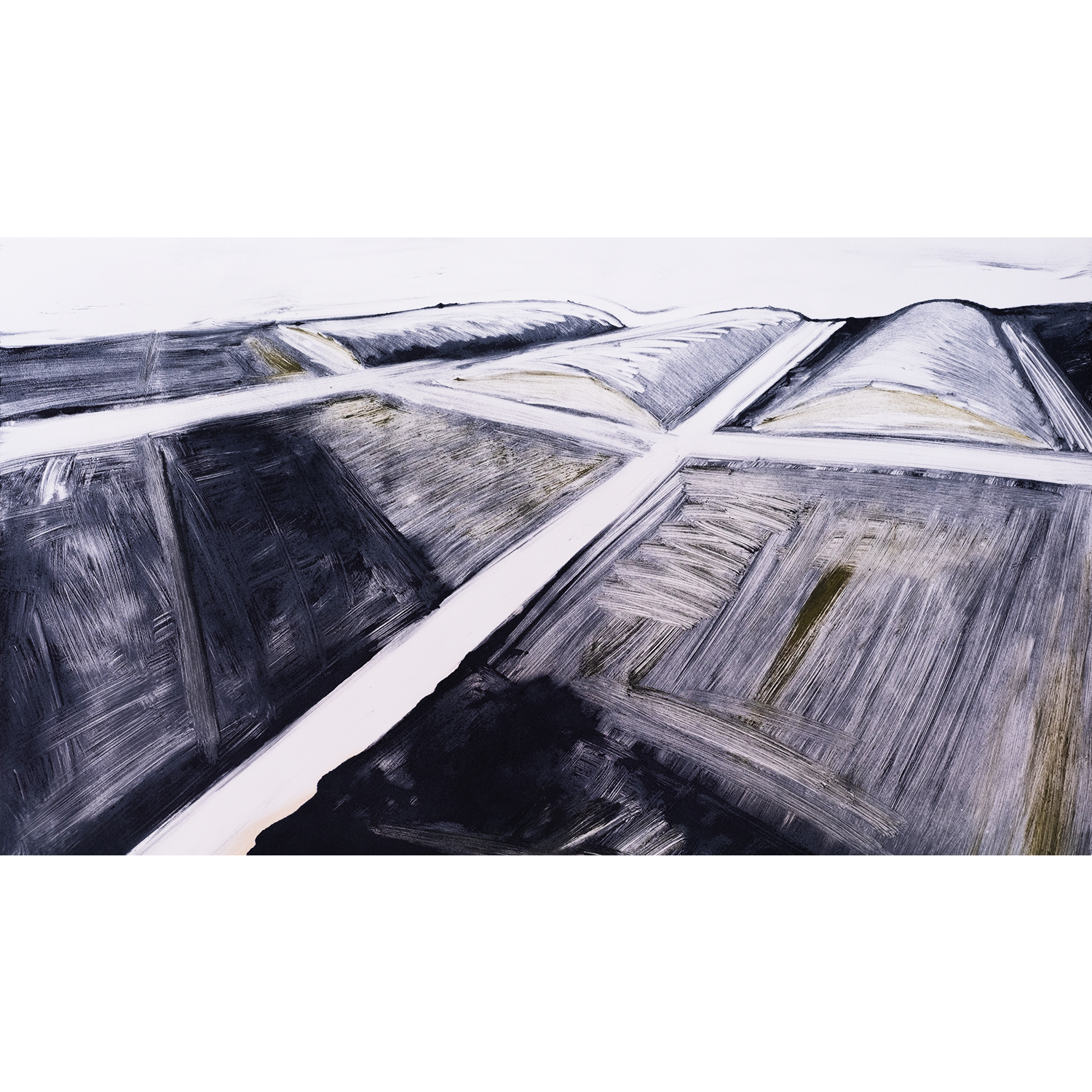
I passed this scrapyard everyday on my way from Shipley to Leeds